
Ophthalmology practice marketing
Built around your laser time and your premium lens mix, not general awareness.
Ophthalmology marketing works when it moves the two numbers that actually change your revenue: premium Intraocular Lens (IOL) conversion at cataract consult, and refractive consult-to-surgery conversion for LASIK and other elective procedures. We build campaigns around your surgical calendar and your optometric referral network, then report in cases and cash-pay revenue rather than in traffic.
What actually drives volume in ophthalmology
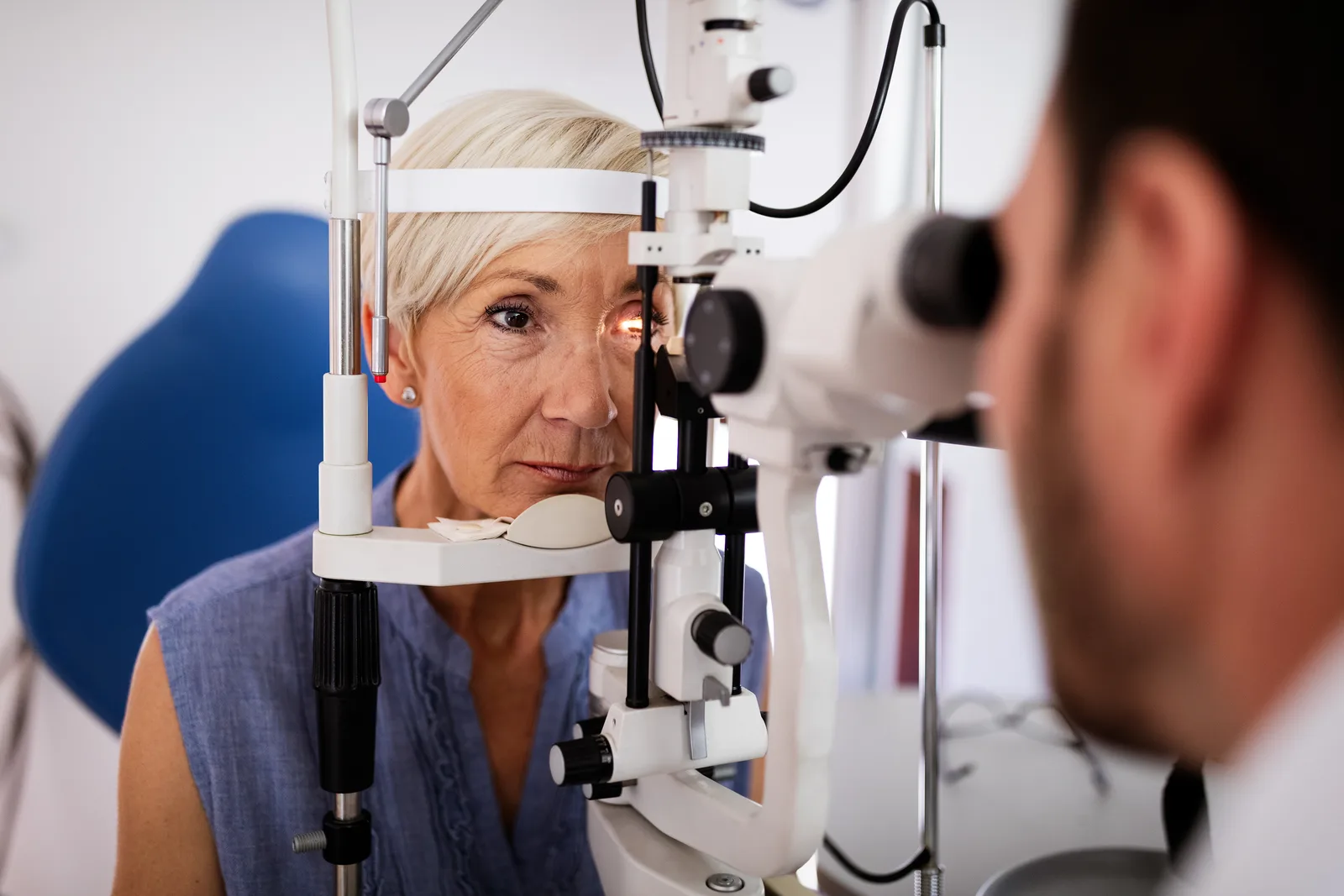
Ophthalmology has an unusual structure: a large share of surgical volume already arrives through the optometric referral network and co-management relationships rather than through marketing at all. Marketing's real job is narrower than it looks. It moves the premium upgrade decision at the point of a covered surgery, and it moves the fully elective, cash-pay decisions, refractive surgery chief among them, that patients research and compare before ever booking a consult.
That means the plan starts with the referral network, not around it. A campaign that competes with your own referring optometrists for cataract volume is working against your business, not for it. The marketing dollar belongs on the decisions optometry doesn't already deliver: premium lens conversion once the patient is in the chair, and the fully elective procedures with no referral path at all.
The procedures marketing moves, and the ones it doesn't
Marketing moves premium Intraocular Lens (IOL) upgrades at cataract consult, LASIK and other refractive surgery and recurring cash-pay categories like dry eye treatment, which behaves more like a membership relationship than a one-time procedure.
Marketing does not create medically necessary cataract volume on its own; that arrives largely through referral and co-management relationships that already exist. And it should never be built to compete with a practice's own referring optometrists for that volume.
How these patients decide
Two very different journeys live on this page. The cataract patient is often making the premium lens decision inside a single visit, under time pressure, based on trust already established by the referring optometrist; the content that helps here is plain-language comparison of lens options, not a sales pitch. The LASIK or refractive patient is on a longer research cycle comparing surgeons, technology and price before ever calling. This patient needs detailed, trustworthy content that de-risks an elective, cash-pay decision.
The three metrics that matter here
Premium Intraocular Lens (IOL) conversion rate, the number that determines whether a cataract-heavy practice is capturing the revenue already sitting in its own surgical calendar. Refractive consult-to-surgery ratio, since a high volume of LASIK inquiries with a low conversion rate usually means the content isn't doing its job of overcoming price and safety hesitation. And cash-pay revenue per case, since not every procedure on this page is reimbursed the same way and blending them into one number hides which channel is actually working.
Selected healthcare work
Selected healthcare work includes Arkansas Urology, a urology practice, and Neurolens, a national practice network. The results below are attributed to those organizations.
Arkansas Urology
Arkansas Urology's market-by-market plan produced a 33% increase in monthly appointments and roughly $700,000 in downstream revenue annually.
Neurolens
Neurolens's national practice network has participating practices selling an average of 17 pairs a month versus 6 for non-participants, a useful proof point for how a structured content and education program can move a premium, elective product through an existing patient base.
Questions we get
We already get most of our cataract volume from referring optometrists. Why do we need marketing?
You may not need marketing to generate the surgery. You likely need it to make sure every one of those patients hears about premium lens options clearly before deciding, which is where the revenue actually sits.
Is LASIK marketing worth it if we're a small practice?
Yes, more than for a large system, because LASIK patients research independently and a smaller practice with clear, trustworthy content can win a self-pay patient a large system's marketing budget never reaches.
How is this different from marketing a general eye care practice?
General eye care sells on convenience and insurance coverage. Surgical ophthalmology sells on trust in a specific surgeon for an irreversible, often elective procedure. The content and the decision cycle are both longer and higher-stakes.
Won't marketing our surgery volume upset our referring optometrists?
Not if it's built correctly. We build ophthalmology marketing to support the co-management relationship, not compete with it, which usually means focusing spend on the elective and premium categories referral doesn't already cover.
What should we measure instead of clicks?
Premium Intraocular Lens (IOL) conversion rate, refractive consult-to-surgery ratio and cash-pay revenue per case. Ask your current agency to produce those three numbers and see what happens.